
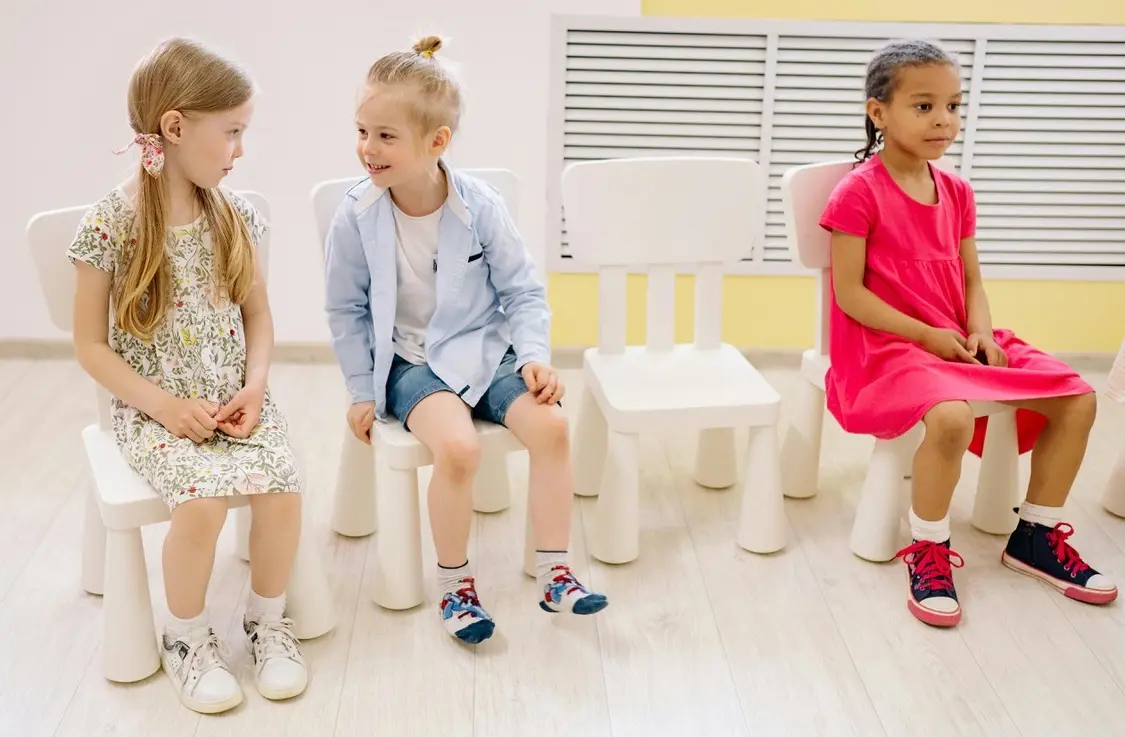

Selective mutism is one of the most misunderstood childhood anxiety disorders. A child with selective mutism may speak freely at home or with a close trusted friend, but may become silent or feel unable to speak in other environments such as school, social gatherings, or public places. To outside observers, it can look like stubbornness or defiance. In reality, it’s an anxiety response that makes speaking feel almost impossible.
What Selective Mutism Looks Like
Children with selective mutism often want to speak but feel unable to do so in certain situations because of intense anxiety. At home, they may be talkative, expressive, and comfortable. In other settings, their body may enter a strong anxiety or “freeze” response, and words that come easily in one environment simply will not come out in another.
Teachers may assume the child is refusing to participate or being willful, while peers may see them as unfriendly or strange. Over time, these experiences can affect how children see themselves. Research suggests that children with selective mutism frequently experience lowered self-esteem and feelings of social inadequacy when the condition is not understood or treated.
Why Selective Mutism Develops

Most experts agree selective mutism develops when a naturally anxious or inhibited child encounters social situations where speaking triggers intense anxiety. The child’s nervous system learns that not speaking temporarily reduces anxiety, which reinforces silence as the coping response.
The same mechanism that creates selective mutism also explains why treatment works. When children are gently exposed to speaking in manageable steps, their brain learns that speaking is safe. Over time, the anxiety response fades and communication expands.
Selective mutism is now understood as an anxiety disorder closely related to social anxiety disorder, and many children with selective mutism also show significant symptoms of social anxiety.
When Selective Mutism Changes Over Time
Selective mutism is often viewed as part of the social anxiety spectrum, with selective mutism representing an early developmental form of social anxiety. A key difference is that children with selective mutism often feel unable to speak in certain settings because of intense anxiety, whereas individuals with social anxiety disorder are typically able to speak but experience significant fear and discomfort while doing so. For some children, selective mutism improves with age, particularly when they receive treatment. However, if the underlying anxiety is not addressed, the silence may gradually shift into broader patterns of social fear and avoidance.
In these cases, a child may begin speaking but continue to experience significant anxiety in social situations. Research has found that many individuals who had selective mutism in childhood later develop symptoms consistent with social anxiety disorder.
Why Early Intervention Matters

Many adults assume children will simply “grow out of” selective mutism. Unfortunately, that is often not the case.
Early intervention significantly improves outcomes. Studies show that younger children tend to respond more quickly and successfully to treatment than children who receive help later. When anxiety is addressed early, children can learn that speaking in different environments is safe.
A Personal Perspective
As a child, I experienced selective mutism myself. For years I felt that I was unable to speak at school, to teachers, or to classmates. I could talk to one best friend, but everywhere else I was silent. Every new school year, I hoped things would be different. I imagined myself speaking like everyone else. But when the moment came, the words never came out.
At the time, no one around me understood what selective mutism was. When I was six, someone mentioned that I didn’t talk. My mother laughed and said I would grow out of it. Like many parents then, she had never heard of selective mutism. I struggled with selective mutism until college, when it evolved into social anxiety. If I had received help earlier, my childhood would have been much happier.
What Actually Helps
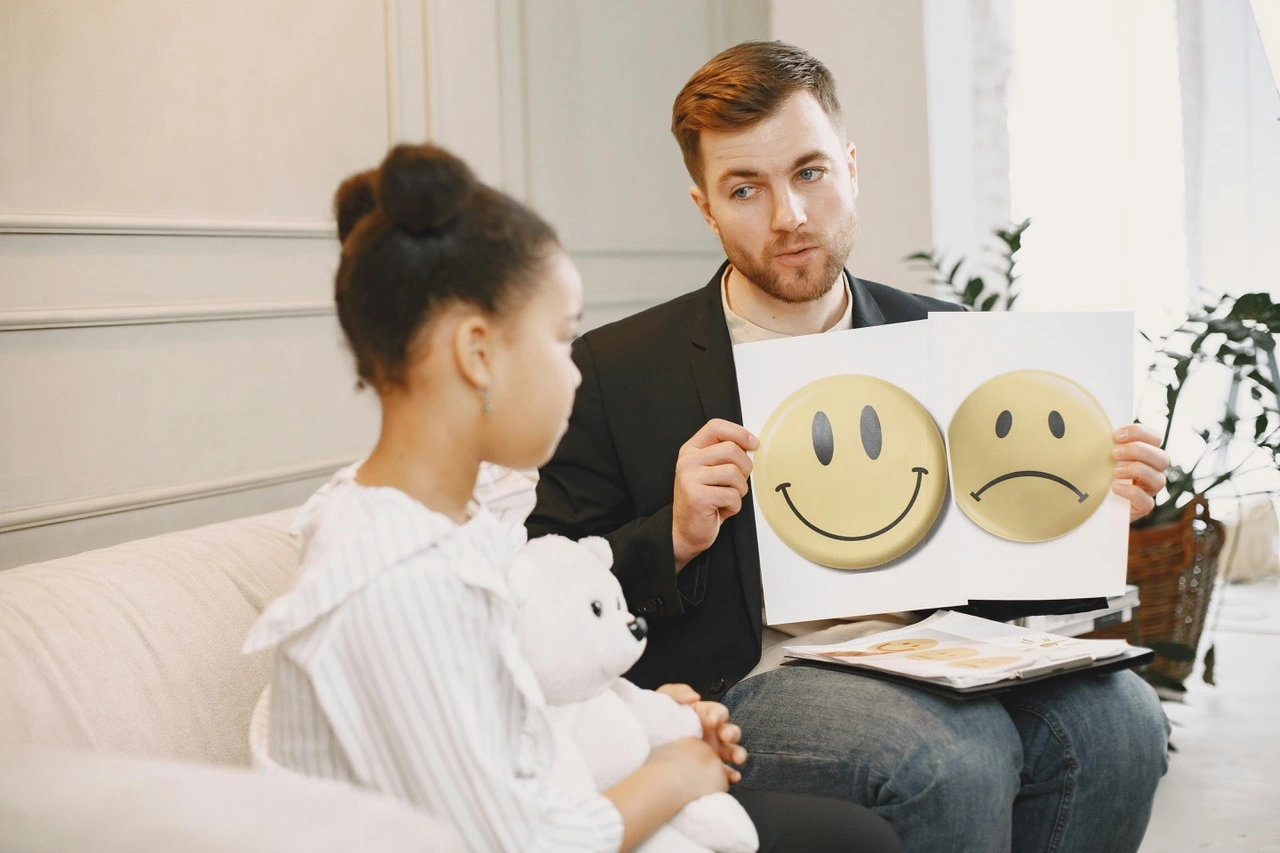
Effective treatment typically includes:
- Cognitive-behavioral therapy
- Gradual exposure to speaking situations
- Collaboration between parents, teachers, and therapists
- Reducing pressure and shame related to speaking
Parents and teachers often try to help by speaking for the child or allowing them to avoid speaking situations. While this response is well intentioned, it can unintentionally reinforce the child’s anxiety by allowing silence to become the default coping strategy.
Therapists often help children gradually practice speaking in small, manageable steps that reduce anxiety and build confidence.
A simple hierarchy might look like this:
1. Participating without speaking
The child engages in activities such as playing a game, drawing, or completing a task while becoming comfortable with another person present.
2. Nonverbal communication
The child begins communicating through eye contact, nodding, pointing, or gestures.
3. Quiet communication
The child whispers to a trusted adult or responds softly to simple yes/no questions.
4. Short verbal responses
The child answers questions using one-word responses or short phrases.
5. Comfortable speaking
The child begins participating more naturally in conversations with teachers, peers, or other adults.
Each step is practiced repeatedly before moving forward. The goal is not to force speech but to gradually reduce anxiety while expanding the child’s ability to communicate.
What Early Help Can Do
Earlier in my career, I worked with a second-grade girl who did not speak at school or with anyone outside of her mother and father. We created a gentle exposure plan and I worked closely with her parents and teachers. I even participated in school meetings and joined her in some real-world practice situations. In less than a year, we went from her being unable to look me in the eye to being able to talk to extended family members, teachers, school office employees, a few friends, store clerks, and more.
Twelve years later, she returned to see me as a college junior. When we started working together again, she was confident and expressive, and we worked on entirely different goals unrelated to selective mutism. She received early intervention, so her selective mutism did not evolve into social anxiety. Her story is a powerful reminder that with the right support, children with selective mutism can overcome it.
Why Awareness Matters
Selective mutism is still widely misunderstood, but awareness is growing. Fortunately, we know a great deal about how to treat selective mutism, although it can still be difficult for families to find therapists with specialized training. With early intervention, compassionate support, and evidence-based treatment, children can learn to speak comfortably in the world around them.
References:
Driessen J, Blom JD, Muris P, Blashfield R & Molendijk M. (2019). Anxiety in children with selective mutism: A meta-analysis. Clinical Psychology Review.
Limura D, Ooi YP & Sung M. (2025). Meta-analysis of behavioral treatments for selective mutism. Child and Adolescent Psychiatry and Mental Health.
About the Author:
Laura Johnson, LMFT, LPCC, is a Board member of the National Social Anxiety Center and the director of the Cognitive Behavior Therapy Center of Silicon Valley and Sacramento Valley. She specializes in cognitive-behaviorial therapy (CBT) and schema therapy for anxiety and related conditions. During her training, she also worked as a behavior analyst specializing in the treatment of selective mutism. Laura is the author of Social Anxiety for Dummies.