Social Anxiety Self-Help Books
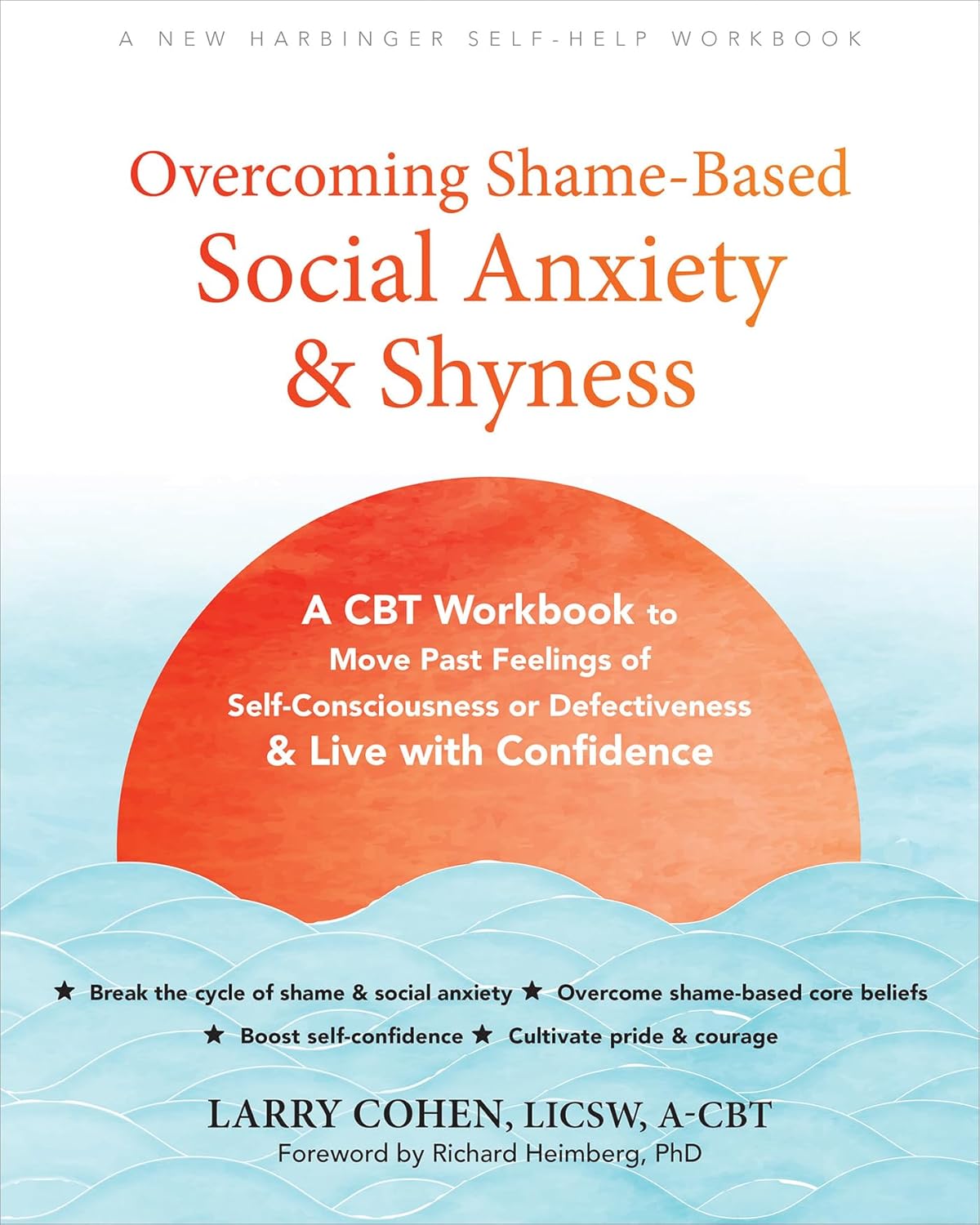
Overcoming Shame-Based Social Anxiety and Shyness: A CBT Workbook to Move Past Feelings of Self-Consciousness or Defectiveness and Live with Confidence
This easy-to-use, comprehensive workbook will guide you, step by step, in learning and practicing the best evidence-based strategies and skills to overcome social anxiety and shame, and to build self-confidence and pride. This user-friendly workbook is helpful for both those suffering from social anxiety, and the therapists seeking to help them more effectively. This book has been endorsed by the foremost social anxiety researchers around the world (Richard Heimberg – US, David M. Clark – UK, Stefan Hofmann – Germany, Ronald Rapee – Australia), and a major leader and disseminator of CBT (Judith Beck – US). Learn how to conduct behavioral experiments to test and change your anxious thinking. Learn to identify, challenge and change your shame-based core beliefs. Learn how to focus mindfully on the conversation or activity in the moment, and treat your distressing thoughts like background noise. Learn how to drop self-defeating behaviors you’ve been leaning on like crutches, and overcome self-critical rumination and worry. Extensive chapter supplements on specialized topics, as well as worksheets, questionnaires and resources are available online for free with this book.

— NSAC cofounder, and Chair since 2013
— Diplomate and Fellow of the Academy of Cognitive and Behavioral Therapies (A-CBT)
— Director and representative of NSAC District of Columbia
(Social Anxiety Help)

Watch this interview with Larry Cohen, cofounder and Chair Emeritus of the National Social Anxiety Center, about his CBT for social anxiety workbook he authored: Overcoming Shame-Based Social Anxiety and Shyness. The interview was conducted by the Anxiety and Depression Association of America (ADAA) on January 22, 2026.
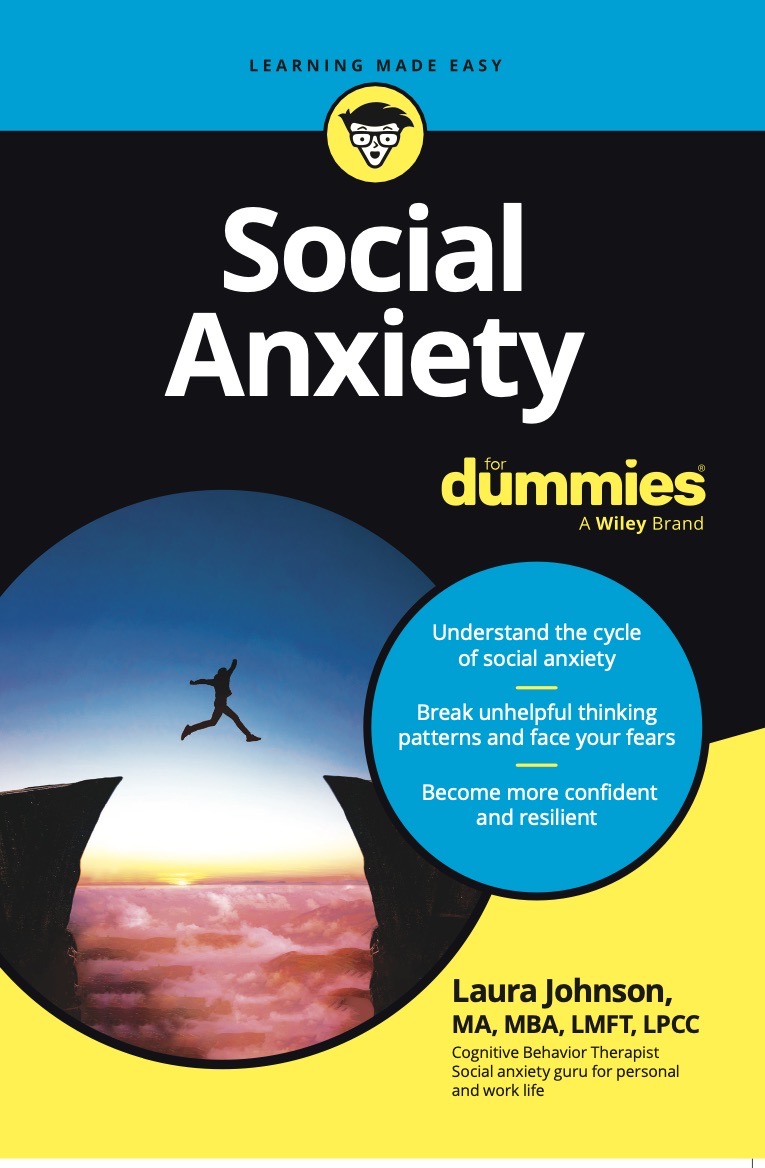
Social Anxiety for Dummies
Do you worry about what others think of you and fear negative evaluation? Are you lost about how to handle your social anxiety? In this friendly self-help book, you’ll learn how to create a new mindset about your ability to cope with your fear of judgment. Based on proven concepts, this solution-focused guide is a jargon-free and fun approach to gaining mastery over your social anxiety. You’ll find simple step-by-step instructions, worksheets, real-world examples, and tips and tools to help you gain insight and control over your social anxiety. You’ll discover how to deal with social situations in general as well as specific ideas for dating, public speaking, kids with social anxiety and social anxiety in the workplace. You’ll practice breaking free from social anxiety one step at a time.This encouraging and practical guide puts you on the fast track to building your self-esteem and confidence, reducing avoidance, using your strengths and values, and living a more meaningful life.

— Certified Cognitive Behavior Therapist
— Advanced Certified Schema Therapist
— Director and representative of NSAC Silicon Valley / San Jose
(Cognitive Behavior Therapy Center of Silicon Valley / San Jose)
Other Cognitive-Behavioral Therapy (CBT) Books
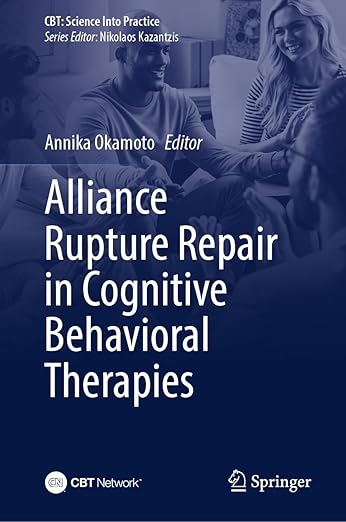
Alliance Rupture Repair in Cognitive Behavioral Therapies (CBT: Science Into Practice)
The book traces the evolution of the therapeutic alliance from early CBT’s emphasis on collaboration and technique to a contemporary relational model that treats alliance strains as central mechanisms of change. The volume brings together leading clinicians and researchers to show how to identify, understand, and repair ruptures as they unfold in real time, across individual, couple, family, group, developmental, cultural, and neurodiversity contexts. Each chapter focuses on a specific method, population, or clinical dilemma—ranging from mindfulness-based grounding protocols and metacommunication strategies, to working with ambivalence, overcontrol, emotion dysregulation, masking in autistic clients, and systemic power dynamics—while integrating empirical findings on timing, process, and outcomes. Across approaches, the unifying message is that rupture moments are not treatment failures but a catalyst for deeper connection and more durable therapeutic change.

—Diplomate, Academy of Cognitive and Behavioral Therapies
—Clinical Psychology Professor at Antioch University, Santa Barbara
—Past President, Santa Barbara County Psychological Association
—NSAC Board Member
—Clinical Director and representative of NSAC Santa Barbara (Oceanside Clinics)
Chapter: “Navigating Rupture and Repair with Autistic Clients in Cognitive-Behavioral Therapy”
This chapter focuses on ruptures with neurodiverse individuals. The author illuminates an insidious form of therapeutic impasse: the misdiagnosis and pathologization of autistic information processing coupled with the double empathy problem, and therapists feeling stuck not understanding the needs of autistic individuals. The author shares how autistic clients often arrive having been extensively trained to suppress behaviors that serve regulatory functions—changes that may please clinicians and systems but exact a devastating psychological toll. Masking becomes a ticket to more anxiety, more depression, and more pursuit of goals that were never the client’s to begin with that the therapists or family members may inadvertently endorse. For example, rather than trying to increase eye contact or “look normal,” a more empowering goal may be to understand which social environments are genuinely too stressful and how to advocate for one’s own needs.
—Licensed clinical psychologist and co-founder of CBT Specialists
—Board certified by the American Board of Professional Psychology in Behavioral and Cognitive Therapy
—NSAC Research Coordinator and Board Member
—Clinic representative of NSAC North Jersey (CBT Specialists)
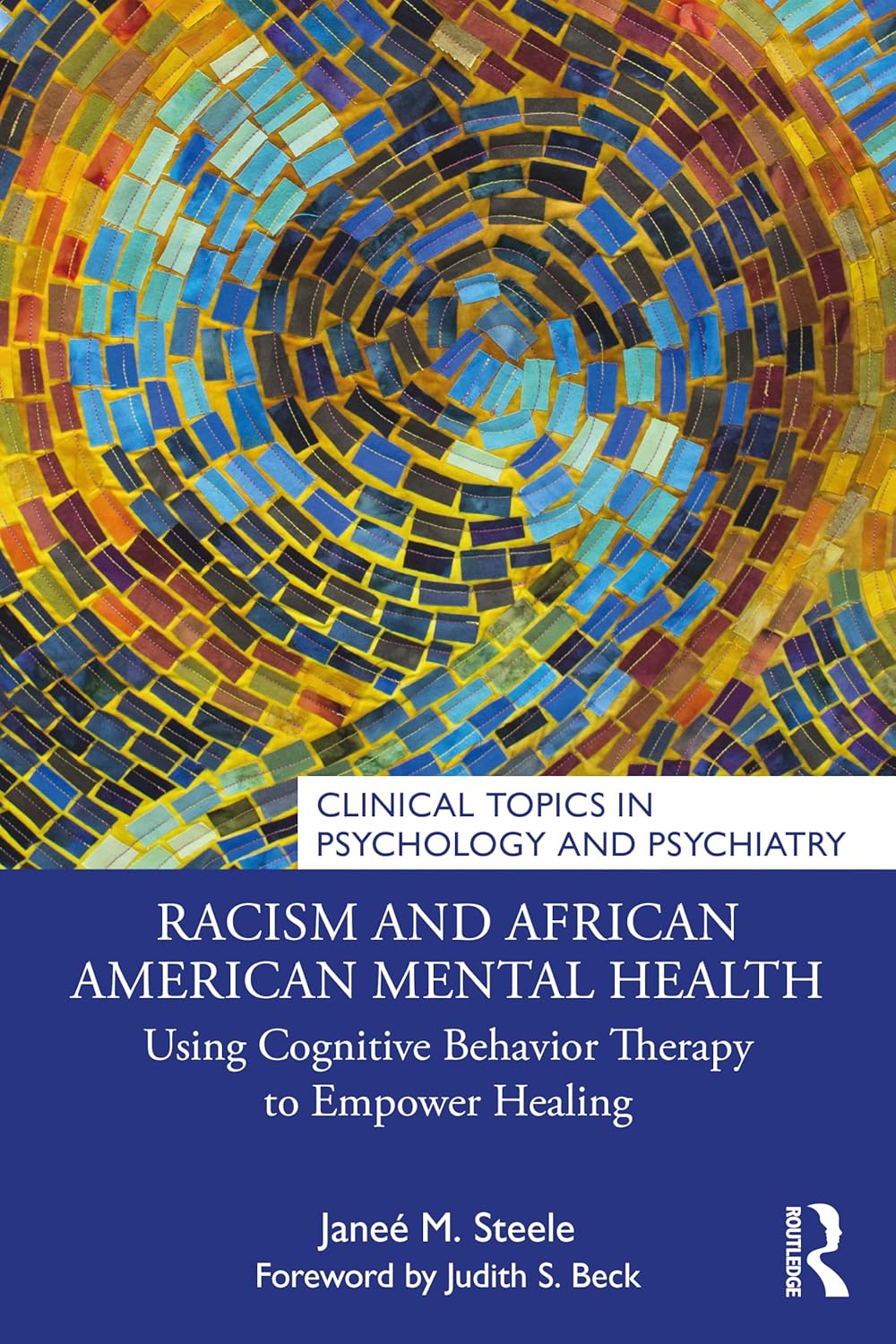
Racism and African American Mental Health: Using Cognitive Behavior Therapy to Empower Healing
Racism and African American Mental Health examines the psychological impacts of racism within the African American community and offers a culturally adapted model of cognitive behavior therapy for more culturally relevant case conceptualization and treatment planning with this population. Readers of this text will gain a greater understanding of how manifestations of racism contribute to the development of psychological distress among African Americans and learn specific strategies to address the negative automatic thoughts and maladaptive beliefs that develop in response to racism. Reflection questions and guided practice are incorporated throughout the text to assist readers with application of the strategies discussed in their own clinical settings.

— Licensed Professional Counselor and Counselor Educator
— Diplomate, Board Member and Secretary of the Academy of Cognitive and Behavioral Therapies
— NSAC Board Member
— Clinical Director and representative of NSAC Kalamazoo
(Kalamazoo CBT)

Tic’d: a child’s guide to defeating tics
The most effective non-medication treatment for Tourette’s Syndrome is CBIT (Comprehensive Behavioral Intervention for Tics). This workbook simplifies what was once difficult: engaging youth in CBIT and providing instant access to effective treatment. Tic’d was designed to provide a teachable method for children, their caregiver’s, as well as counselors looking to treat tics using CBIT. Join Kai, a 12 year old with Tourette Syndrome, as they take readers on a journey to eliminate your tics and overcoming hurdles along the way. Kai will teach you: how to get motivated for the fight, what dials tics up, how to bring them down, how to catch them coming, and especially how to send them out to sea. Come aboard. We are so happy to meet you!

Dr. DePompo:
— Founder and Director of Cognitive Behavioral Therapy Institute of Southern California (NSAC Associate: Newport Beach / Orange County)
— Clinic representative to NSAC
— Diplomate in CBT by the Academy of Cognitive and Behavioral Therapies
— Board Certified in CBT by the American Board of Professional Psychology
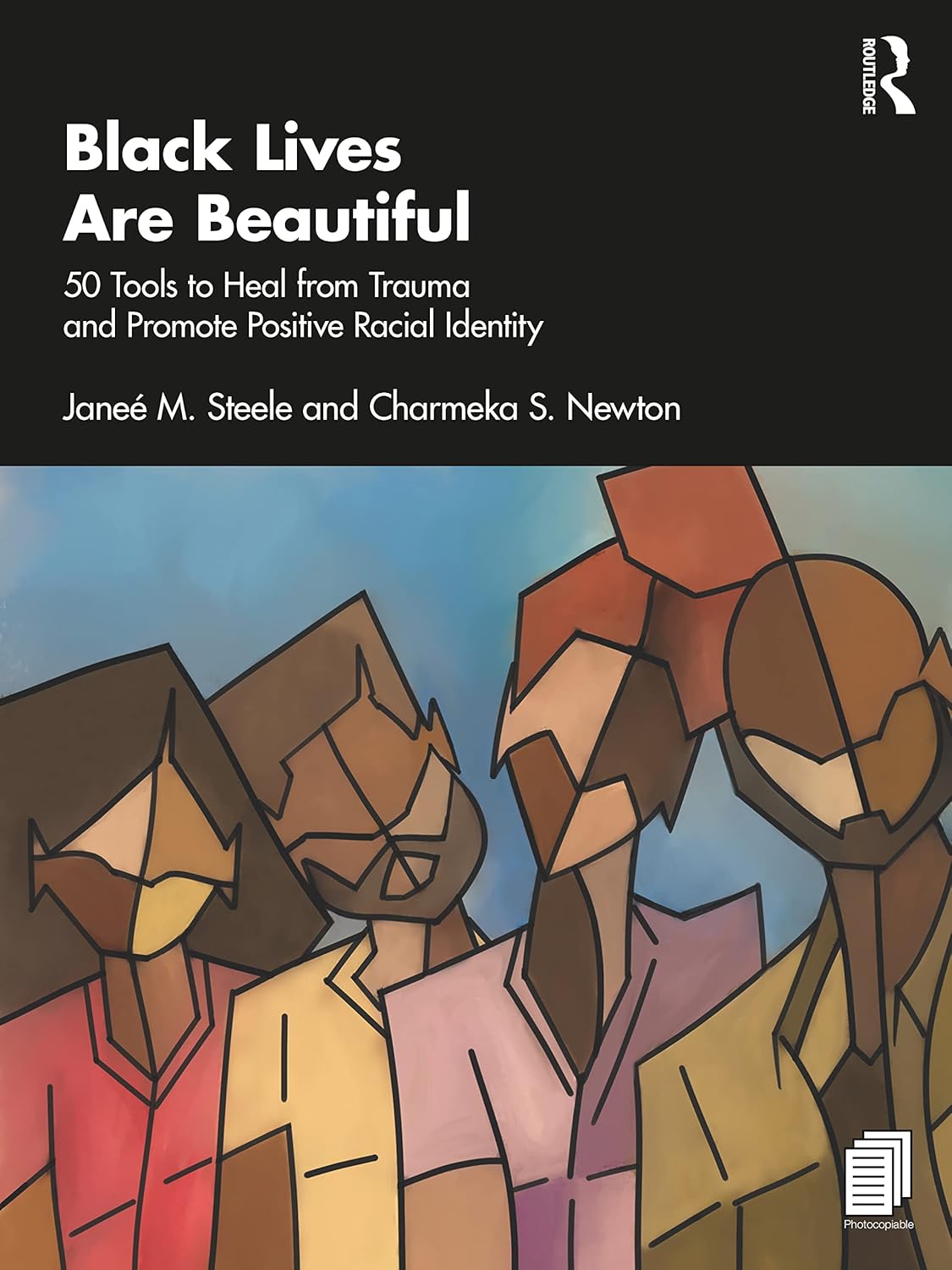
Black Lives Are Beautiful: 50 Tools to Heal from Trauma and Promote Positive Racial Identity
Black Lives Are Beautiful is a workbook explicitly designed to help members of the Black community counter the impacts of racialized trauma while also cultivating self-esteem, building resilience, fostering community, and promoting Black empowerment. As readers explore each part of this workbook, they will develop tools to overcome the mental injuries that occur from living in a racialized society. Therapists and counselors who use this workbook with clients will find a practical toolbox of racially informed interventions to aid clinicians, particularly White clinicians, in culturally sensitive clinical practice.
Dr. Steele:
— Licensed Professional Counselor and Counselor Educator
— Diplomate, Board Member and Secretary of the Academy of Cognitive and Behavioral Therapies
— NSAC Board Member
— Clinical Director and representative of NSAC Kalamazoo
(Kalamazoo CBT)
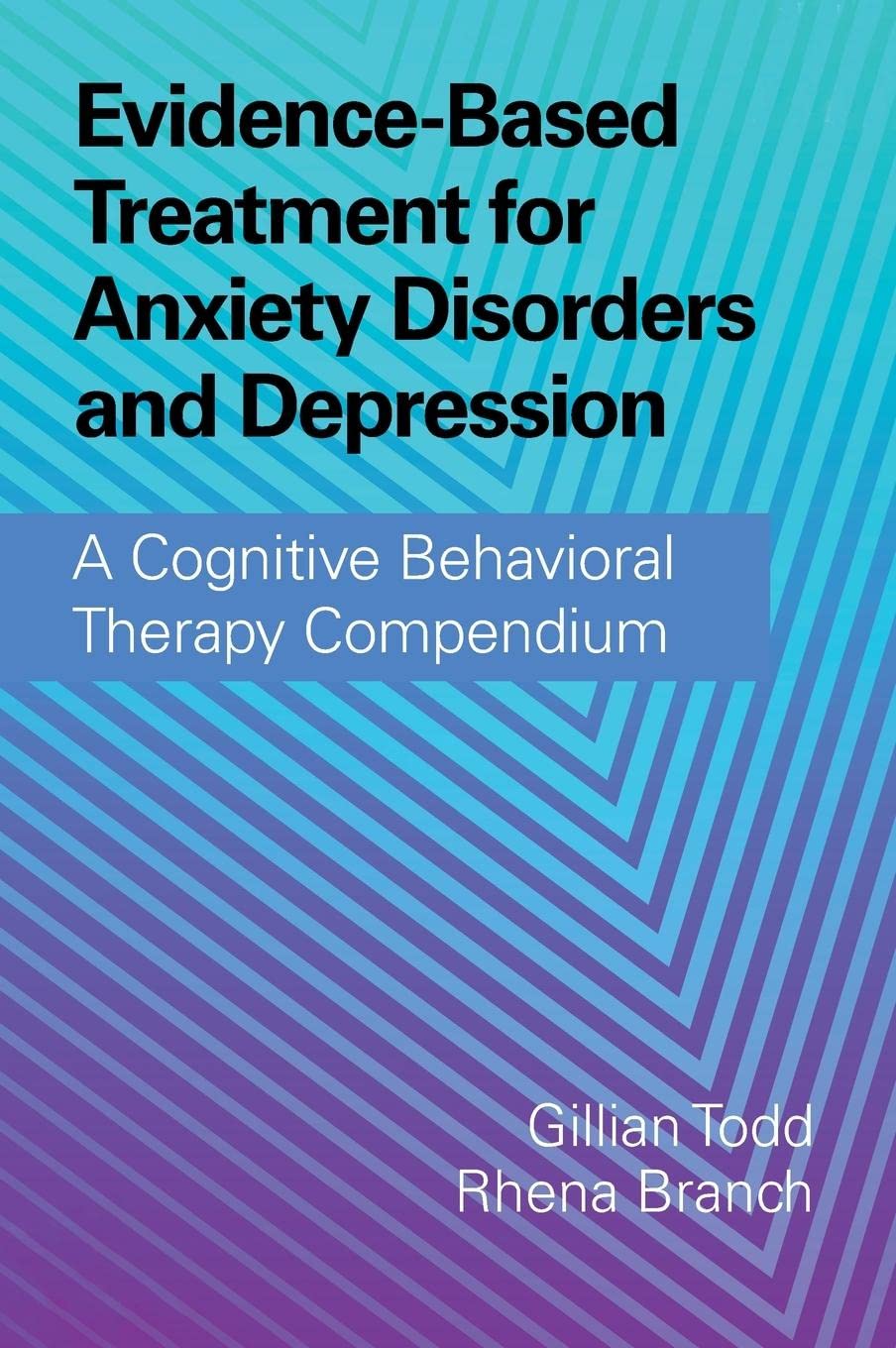
Evidence-Based Treatment for Anxiety Disorders and Depression: A Cognitive Behavioral Therapy Compendium
Chapter 28: “Adapting Cognitive Behavioral Therapy for Older Adults with Anxiety Disorders and Depression”
Discover how cognitive behavioral therapy (CBT) can effectively treat anxiety and depression in older adults, just as it does for younger populations. This insightful book chapter provides essential guidance for psychotherapists on adapting CBT to address the unique needs of older clients. By considering factors such as physical health, cognitive changes, and life experiences, therapists can personalize strategies to enhance therapy outcomes. For older adults seeking therapy, this chapter offers valuable information on collaborating with your therapist to tailor CBT to your specific needs, ensuring a more effective and personalized treatment experience. Empower yourself or your practice with the knowledge to make CBT work for older adults.
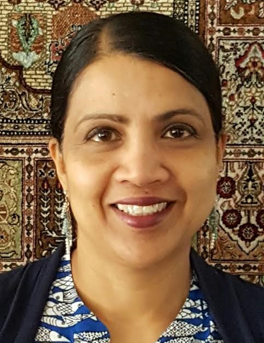
Chapter by Suma Chand, PhD, A-CBT and George Grossberg, MD
Dr. Chand:
— Diplomate and Fellow of the Academy of Cognitive and Behavioral Therapies (A-CBT)
— Licensed Clinical Psychologist and Professor at St Louis University, School of Medicine
— NSAC Board Member
— Director and representative of NSAC St. Louis
(The Cognitive Behavior Therapy Program of SLUCare Adult Psychiatry Services)
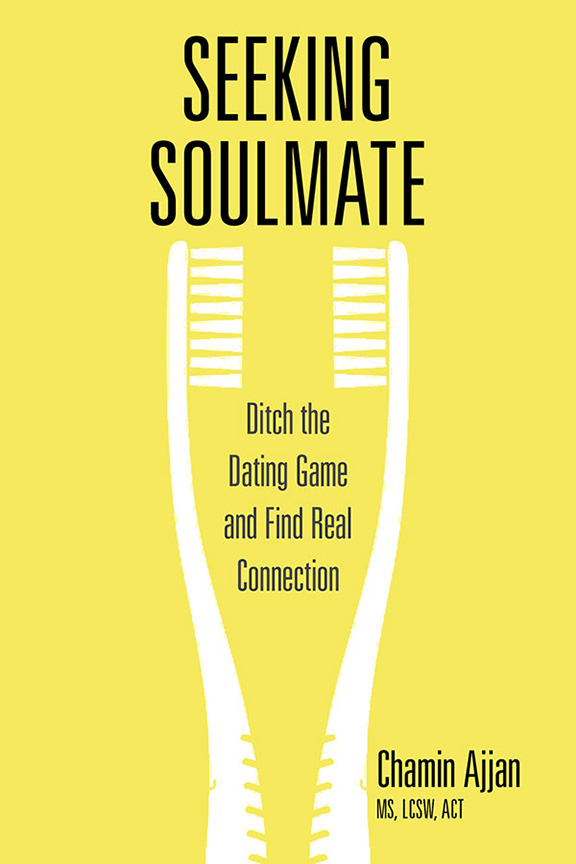
Seeking Soulmate: Ditch the Dating Game and Find Real Connection
Transform your dating journey into a fun and rewarding adventure. Using evidence-based cognitive-behavioral therapy and mindfulness practices, this book tackles the negative thoughts and behavior patterns that make dating feel like a struggle. Packed with relatable stories, case vignettes, and practical exercises, it offers tools to overcome anxiety and hopelessness in the search for love. Ajjan’s friendly, humorous approach makes mindful dating accessible to everyone, regardless of background or orientation. Discover how embracing mindfulness can help your true self shine and build genuine, lasting connections. This is how real relationships with the actual staying power are formed.

— Diplomate, Academy of Cognitive and Behavioral Therapies
— Certified Sex Therapist, American Association of Sexuality Educators, Counselors and Therapists
— NSAC Marketing Coordinator and Board Member
— Clinical Director and representative of NSAC Brooklyn
(Chamin Ajjan Psychotherapy)
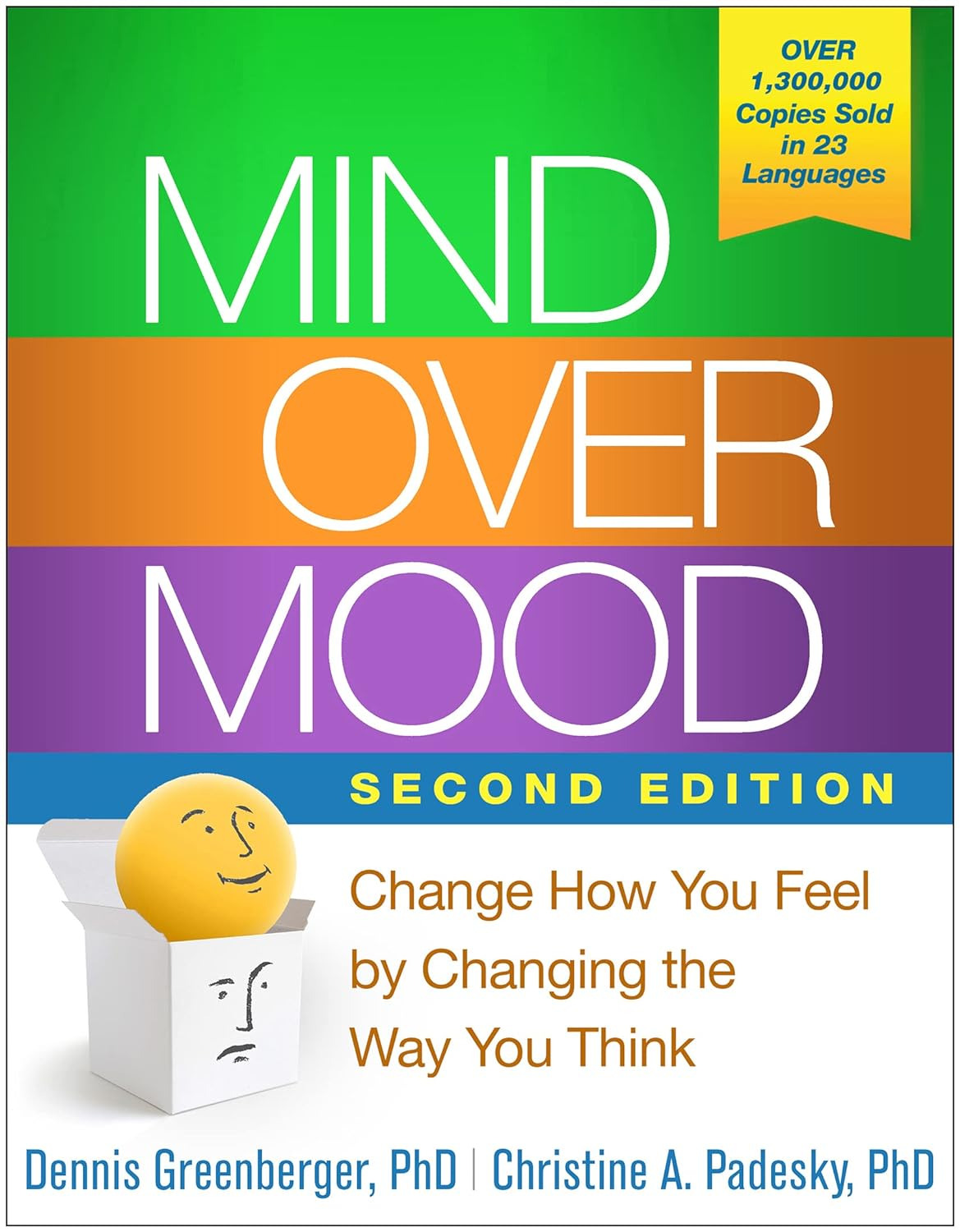
Mind Over Mood: Change How You Feel by Changing the Way You Think, 2nd ed.
Discover simple yet powerful steps you can take to overcome emotional distress–and feel happier, calmer, and more confident. This life-changing book has already helped well over 1,300,000 readers from all over the world use cognitive-behavioral therapy — one of today’s most effective forms of psychotherapy — to conquer depression, anxiety, panic attacks, anger, guilt, shame, low self-esteem, eating disorders, substance abuse, and relationship problems. It is a clear, concise guide that shows readers how the proven and powerful principles of cognitive-behavioral therapy can improve their lives. This book is often recommended by psychotherapists to their clients and can serve as a guide to treatment for using cognitive-behavioral therapy. Mind Over Mood is also used as a self help book and, at times, as a text for psychiatrists, psychologists and other psychotherapists learning how to do CBT. The British Association of Cognitive and Behavioral Therapies named Mind Over Mood as the most influential cognitive-behavioral therapy book ever written.

Dr. Greenberger:
— Past President of the Academy of Cognitive Therapy
— Director and representative of NSAC Newport Beach / Orange County
(The Anxiety and Depression Center)